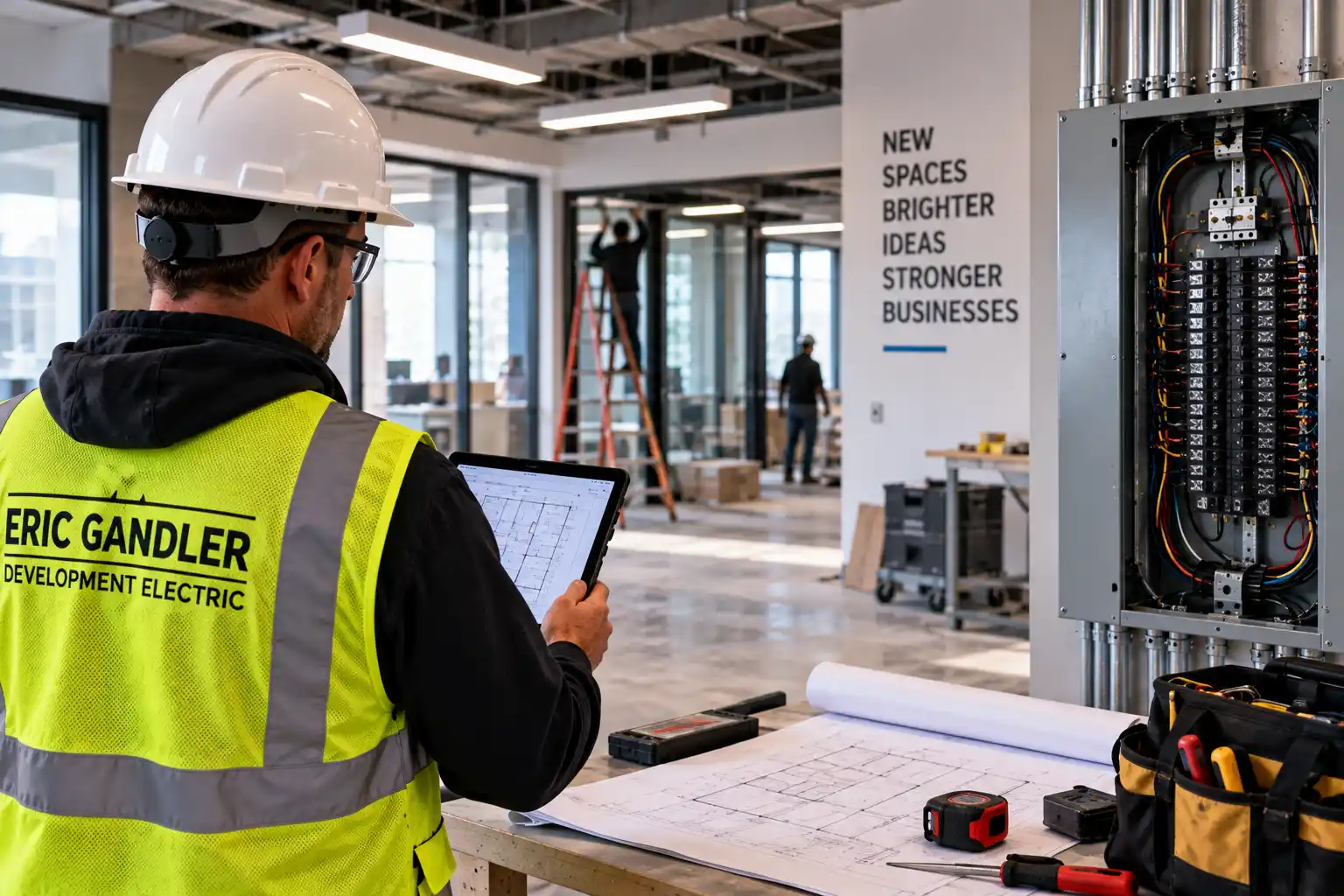
A commercial renovation can completely transform a building. Walls move, offices are added, equipment changes, lighting is upgraded, and spaces take on entirely new purposes.
But once construction is finished, there’s one part of the project that shouldn’t be forgotten: the electrical system.
For businesses searching for Eric Gandler Clifton Park commercial electrical services, Development Electric can help evaluate electrical systems following renovations, expansions, and other major changes to a commercial property.
A post-renovation electrical review can help make sure the finished building is ready for the way the business will actually use it.
Renovations Can Change Electrical Demand
Even when the size of a building stays exactly the same, its electrical requirements can change considerably.
Imagine converting a storage area into offices. Suddenly that space may need computers, lighting, HVAC equipment, printers, break-room appliances, and other electrical loads.
Other renovations may introduce:
- Additional machinery
- Commercial kitchen equipment
- Refrigeration
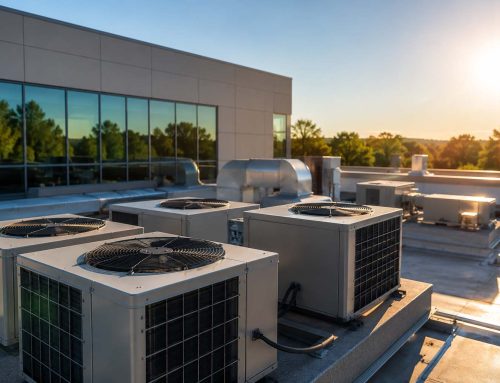
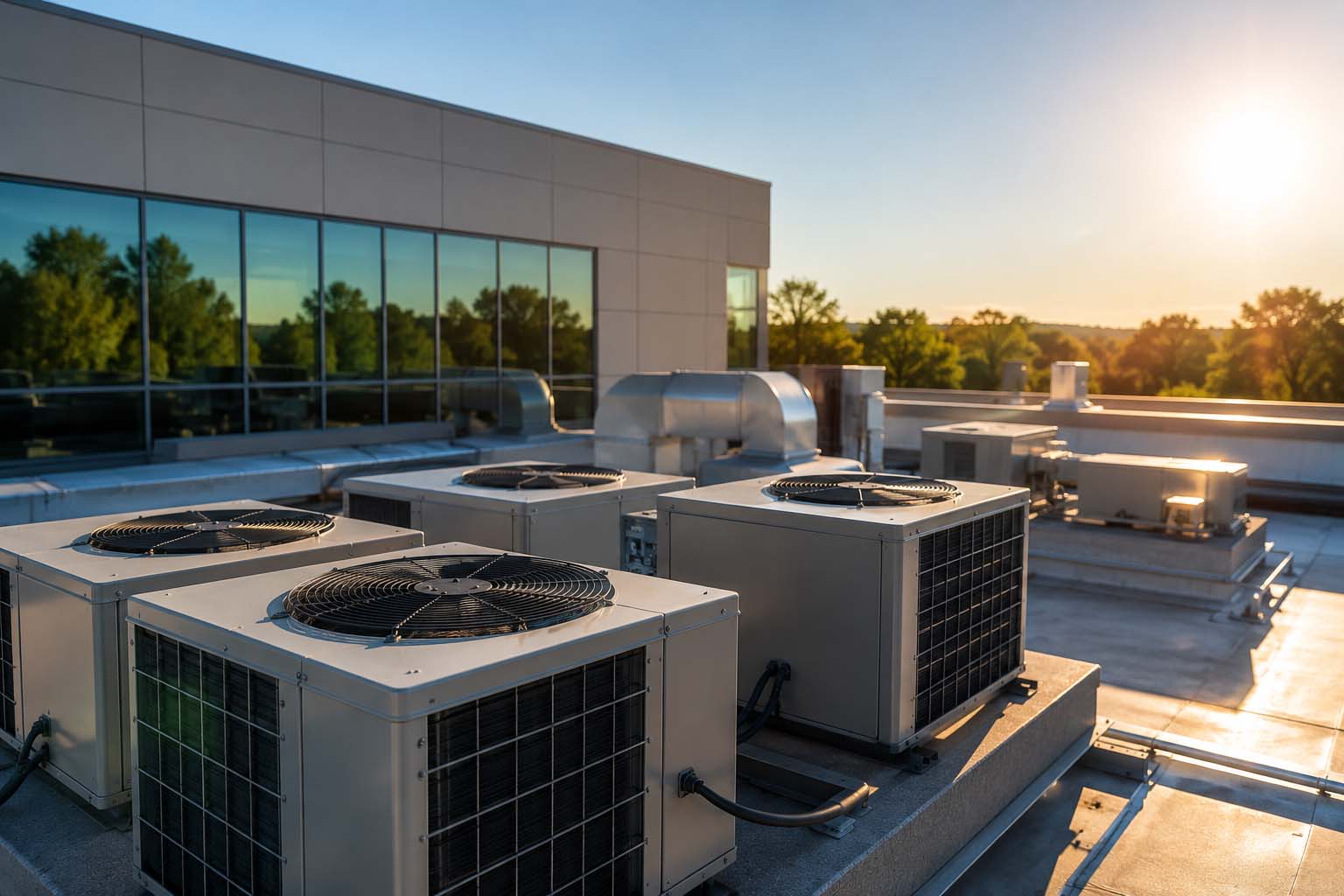
- New HVAC systems
- Server and networking equipment
- Additional lighting
- Specialized commercial equipment
Each addition changes the demands placed on the electrical system.
Make Sure New Circuits Are Properly Identified
Renovations frequently involve adding or modifying electrical circuits.
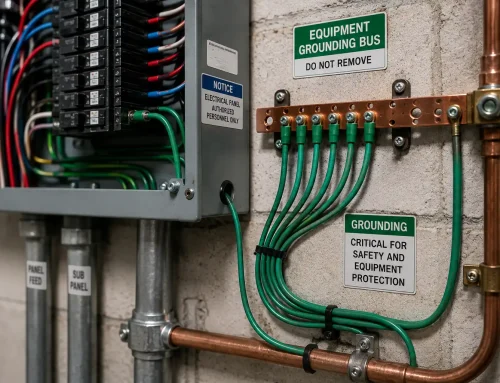
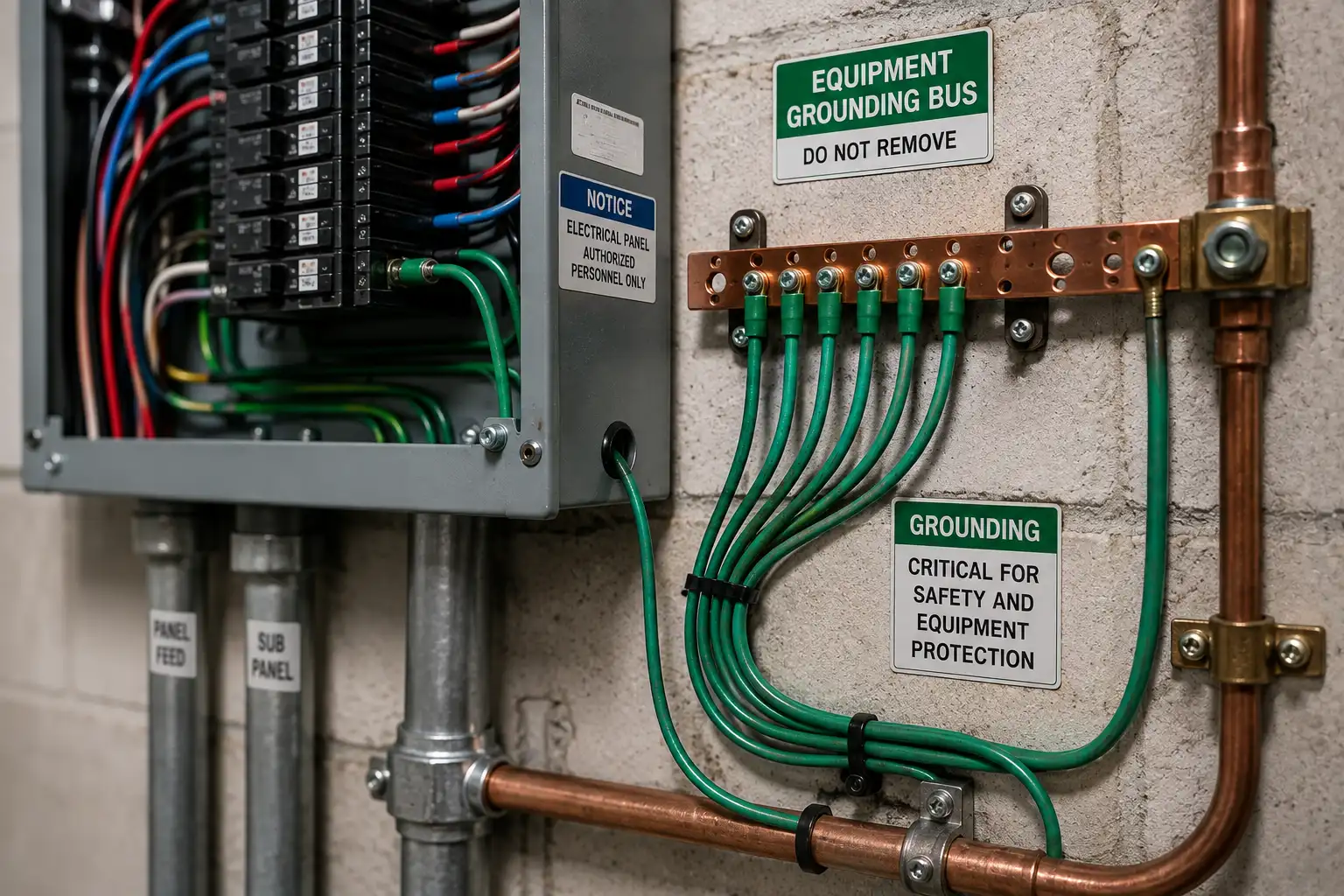
Once the project is complete, panel directories and other electrical documentation should accurately reflect those changes.
Proper identification can make future troubleshooting and maintenance considerably easier.
Years later, an electrician shouldn’t have to guess which breaker controls a renovated office, new piece of equipment, or recently added section of the building.
Pay Attention to Breaker Trips After a Renovation
If breakers begin tripping after your business starts using a newly renovated space, don’t assume that’s simply part of working in the new environment.
Repeated breaker trips are a reason to investigate.
New equipment or changes in how the space is being used may have increased the electrical load. There could also be an issue involving a circuit, equipment connection, breaker, or another part of the system.
Repeatedly resetting a breaker doesn’t identify the underlying cause.
Did the Business Add Equipment After Construction?
Plans can change during a renovation.
A business might decide to add another refrigerator, workstation, machine, appliance, or piece of specialized equipment that wasn’t included in the original design.
Individually, these changes may seem minor.
Collectively, they can alter the electrical demands of the finished space.
If substantial equipment was added after the electrical plans were developed, it’s worth making sure the system still meets the actual needs of the business.
Look for Temporary Solutions That Became Permanent
Renovations sometimes create temporary electrical arrangements while construction is underway.
Once the project is finished, temporary solutions shouldn’t quietly become part of everyday business operations.
For example, businesses shouldn’t have to depend on extension cords and power strips simply because receptacles aren’t conveniently located for the finished layout.
If the renovated space doesn’t provide power where it’s actually needed, additional permanent electrical work may be appropriate.
Don’t Forget the Existing Electrical System
A renovation may contain brand-new lighting, receptacles, and equipment while still relying on much older electrical infrastructure elsewhere in the building.
The new portion of the system doesn’t operate independently.
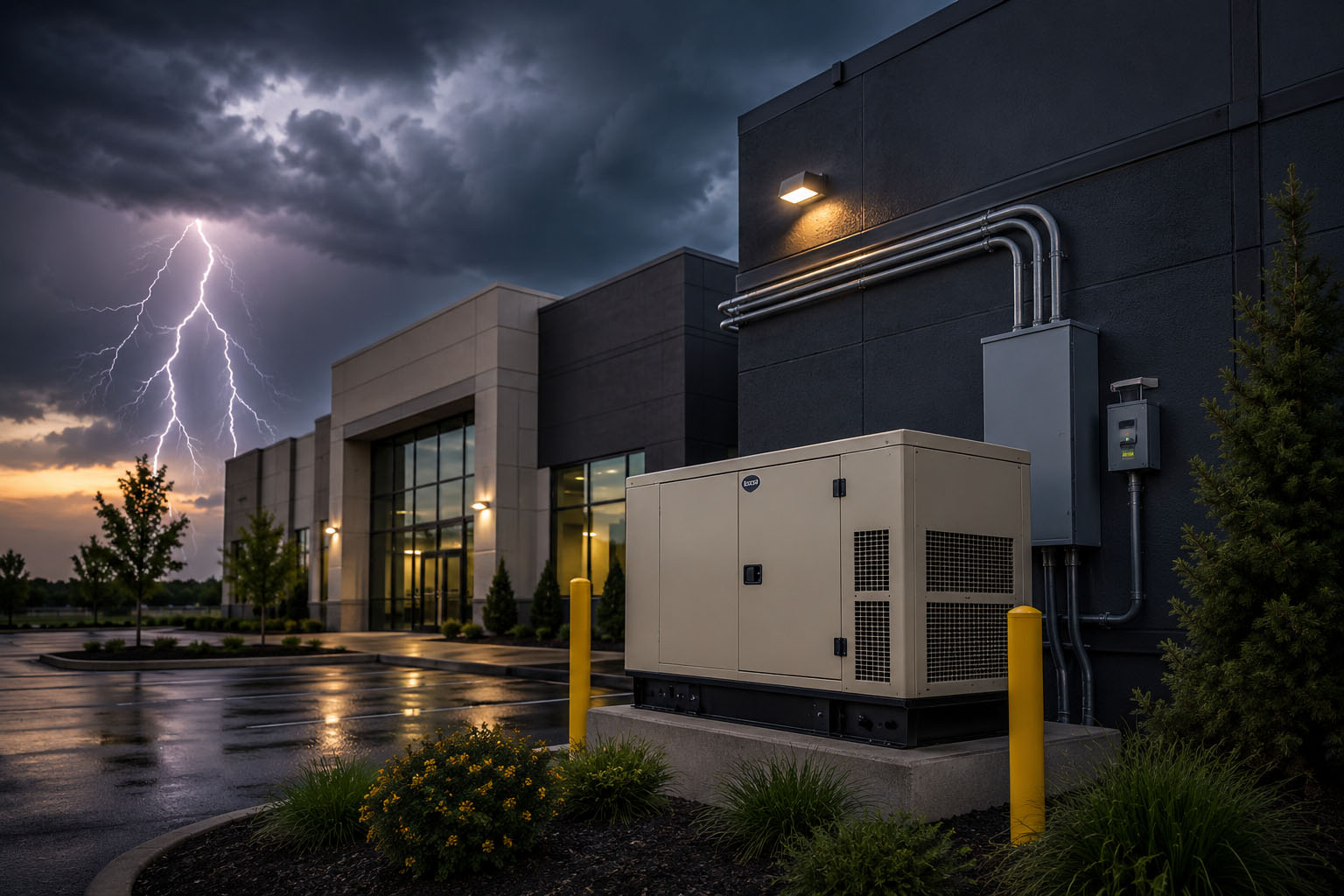
It may ultimately depend on existing panels, distribution equipment, transformers, or the building’s original electrical service.
For older commercial properties, a renovation can be a good opportunity to evaluate how the existing infrastructure is handling the building’s new electrical demands.
Think About What Comes Next
The best time to think about future electrical needs isn’t necessarily when the next expansion begins.
It’s when you already have a clear understanding of the changes happening today.
After completing a renovation, consider what the business may add over the next several years.
Will you need more workstations? Additional HVAC? New machinery? EV charging? More refrigeration?
Understanding future plans can help determine whether additional electrical improvements should be considered before the next project begins.
Watch How the Building Performs
Once employees and equipment move into the renovated space, pay attention to how the electrical system behaves under normal operating conditions.
Warning signs can include:
- Frequently tripped breakers
- Flickering or dimming lights
- Unusual electrical sounds
- Equipment unexpectedly shutting down
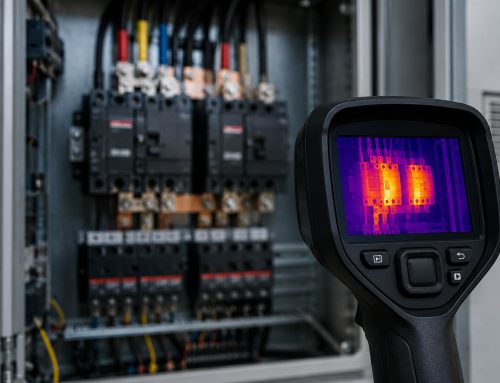
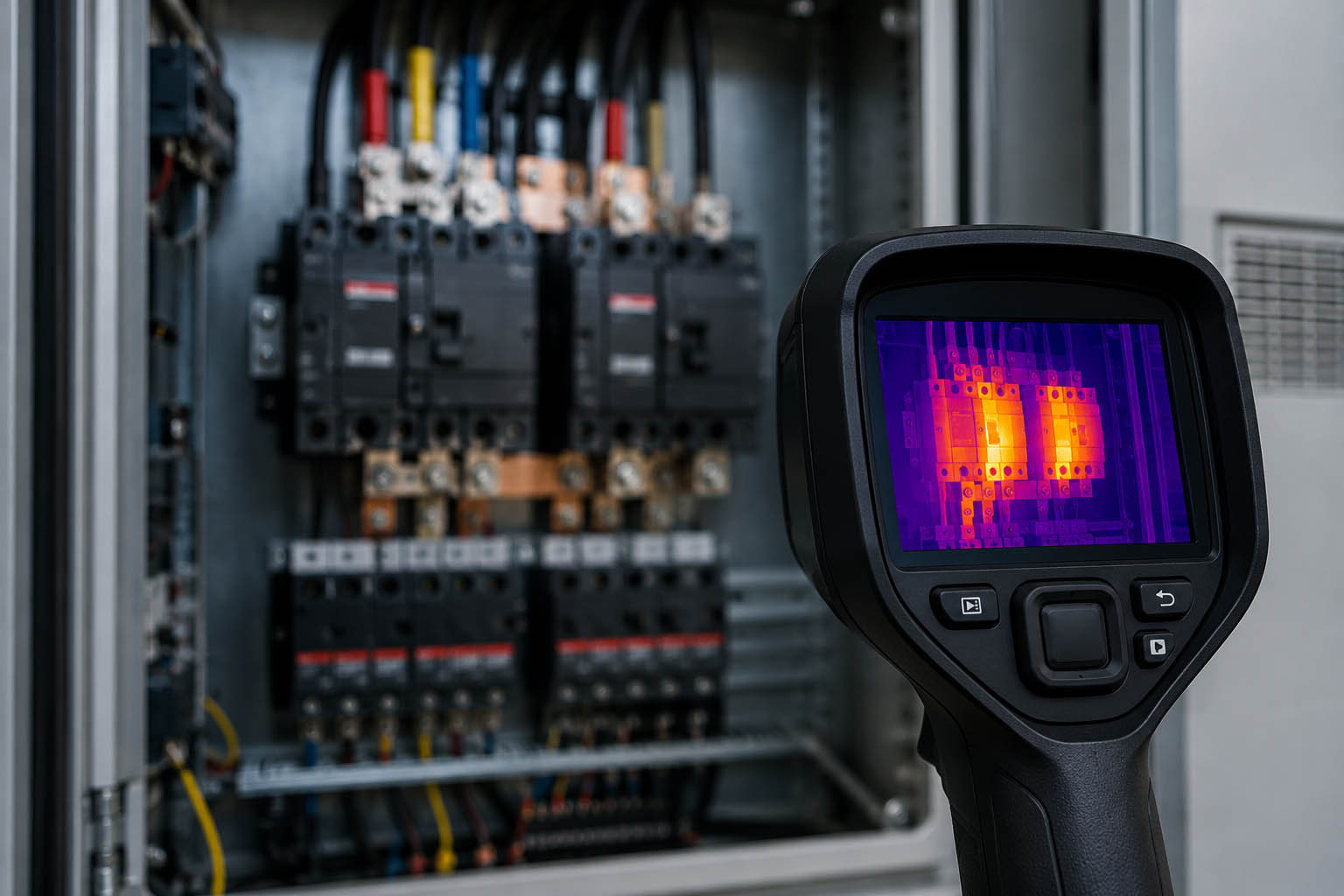
- Warm electrical components
- Insufficient outlets or circuits
- Electrical problems when several pieces of equipment operate simultaneously
These symptoms shouldn’t simply become accepted as quirks of the renovated building.
They may indicate that something needs professional attention.
Eric Gandler Clifton Park Commercial Electrical Services
Completing construction doesn’t necessarily mean the electrical planning is finished.
If your business recently renovated, expanded, or changed how a commercial space is being used, Eric Gandler Clifton Park Development Electric can help evaluate whether the electrical system is meeting its new demands.
For businesses searching for Eric Gandler Clifton Park, Eric provides more than 25 years of commercial and industrial electrical experience, including troubleshooting, preventative maintenance, equipment connections, panel and service upgrades, power distribution, renovations, and electrical system evaluations.
Development Electric serves businesses throughout Clifton Park and the Capital Region.
Recently completed a commercial renovation? Contact Eric Gandler Development Electric.