Eric Gandler Clifton Park: Why Electrical Load Balancing Matters for Commercial Buildings. Commercial buildings rely on electrical systems that distribute power to everything from lighting and computers to HVAC equipment, refrigeration, and industrial machinery.
But having enough electrical capacity isn’t the only consideration. How that electricity is distributed throughout the building can also affect system performance and reliability.
For businesses searching for Eric Gandler Clifton Park commercial electrical services, Development Electric provides experienced electrical troubleshooting, maintenance, and upgrades throughout Clifton Park and the Capital Region.
One important aspect of commercial electrical distribution that often goes unnoticed is electrical load balancing.
What Is Electrical Load Balancing?
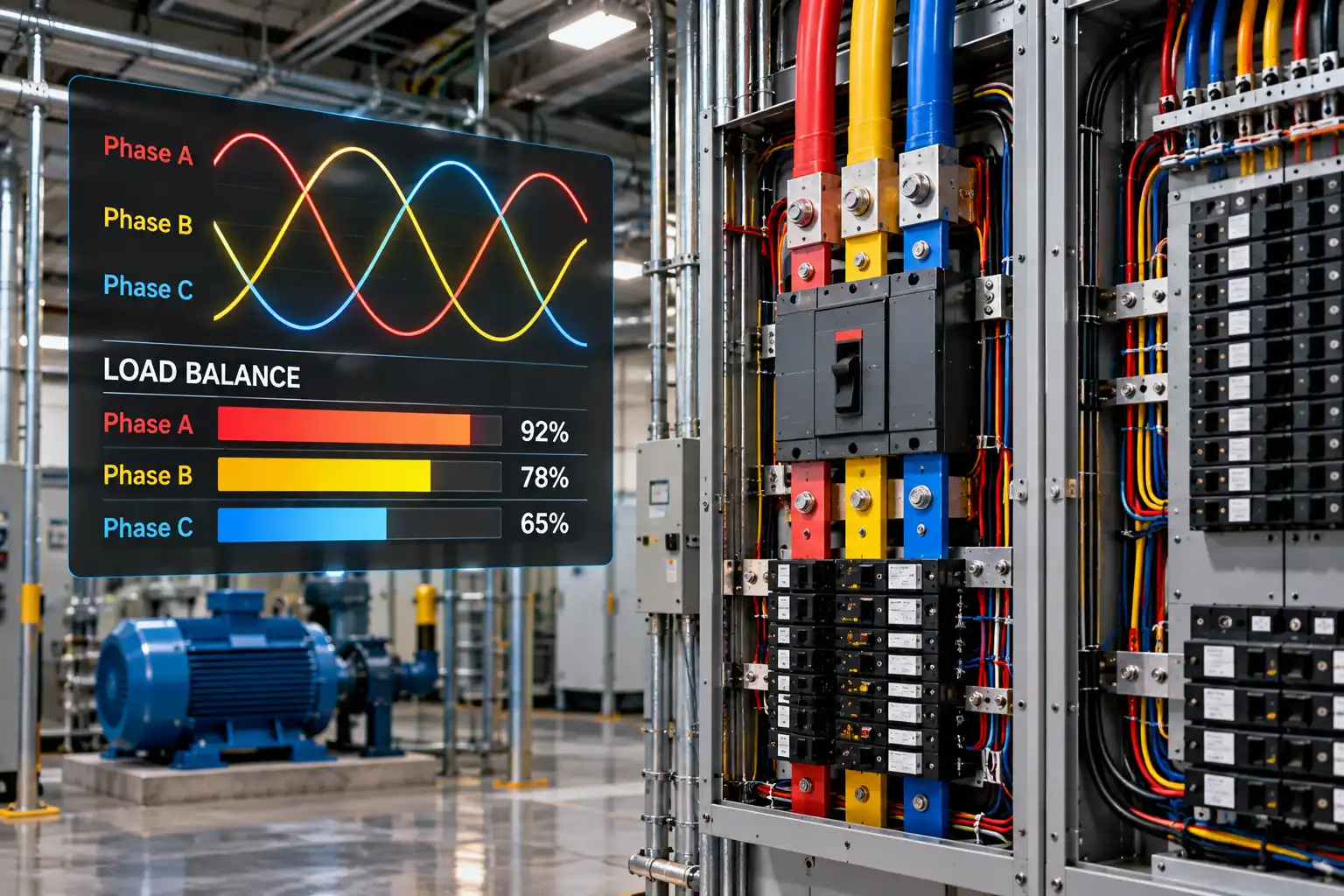
Many commercial and industrial properties use three-phase electrical power to operate larger equipment and distribute electricity throughout the building.
In a three-phase system, electrical loads should be distributed appropriately among the available phases.
When one phase carries significantly more current than the others, the system may be experiencing a load imbalance.
Some differences between phases are normal, particularly when equipment operates at different times. However, excessive or persistent imbalances can create problems that deserve professional evaluation.
Why Do Commercial Buildings Experience Unbalanced Loads?
Commercial electrical systems change over time.
A building may originally have been designed with electrical loads distributed appropriately across its panels and circuits.
But as businesses expand, equipment gets added, and spaces are renovated, the distribution of those loads can change.
Common contributing factors include:
- Additional office equipment
- New lighting circuits
- Commercial kitchen equipment
- Refrigeration
- HVAC upgrades
- Machinery installations
- Tenant renovations
- Changes in building usage
Over time, these modifications can result in uneven electrical demand across phases.
Why Does Load Balancing Matter?
Excessive electrical load imbalance can contribute to several issues, depending on the electrical system and equipment involved.
Potential concerns include:
- Uneven loading of electrical distribution equipment
- Increased heating in certain conductors or components
- Reduced available capacity on heavily loaded phases
- Voltage imbalance under certain conditions
- Additional stress on three-phase motors
- Electrical performance problems
A balanced system doesn’t guarantee that electrical problems won’t occur, but proper load distribution is an important consideration in commercial electrical design and maintenance.
Three-Phase Motors Can Be Sensitive to Voltage Imbalance
Industrial facilities, warehouses, and commercial properties often depend on three-phase motors.
These motors may operate pumps, compressors, fans, conveyors, machinery, and other equipment.
Even relatively small voltage imbalances can create disproportionately larger current imbalances in some three-phase motors.
That can contribute to additional heating and reduced motor performance.
It’s important to understand that uneven circuit loading isn’t the only possible cause of voltage imbalance. Supply conditions, connections, and equipment problems may also contribute.
Professional testing can help identify the actual cause.
Adding Equipment Can Change the Balance
Suppose a commercial facility adds several new pieces of equipment over a few years.
Each installation may have been completed independently, without reviewing how the building’s overall electrical demand has changed.
Eventually, certain phases or portions of the distribution system may be carrying considerably more load than others.
This is one reason evaluating existing electrical infrastructure before adding significant equipment is important.
An electrician can determine whether the proposed installation is appropriate for the available electrical system.
Load Balancing Isn’t Something You Can See
Unlike a failed light fixture or tripped breaker, an electrical load imbalance may not be obvious to employees or building owners.
Equipment may continue operating normally even when the distribution system could benefit from evaluation.
A qualified commercial electrician can use appropriate electrical testing equipment to measure current and voltage under representative operating conditions.
Those measurements can help determine whether loads are distributed appropriately and whether corrective work is necessary.
Can Electrical Loads Be Redistributed?
In some situations, an electrician may recommend redistributing certain single-phase circuits across a three-phase panel to improve the overall balance.
However, this isn’t always a simple matter of moving breakers.
Circuit configuration, shared neutrals, panel design, equipment requirements, code provisions, and other factors must be considered.
Some imbalances may also originate from equipment or utility conditions rather than circuit distribution.
The appropriate solution depends on identifying the underlying cause.
When Should a Business Consider a Load Evaluation?
An electrical load evaluation may be worthwhile when:
- Significant equipment has been added
- A building has undergone multiple renovations
- Three-phase motors experience unexplained problems
- Electrical components show signs of excessive heating
- Certain phases appear heavily loaded
- The business is planning an expansion
- Electrical performance problems continue without an obvious cause
Load measurements may also be useful when planning panel upgrades, service upgrades, or major equipment installations.
Electrical Planning Supports Business Growth
A commercial electrical system that worked well ten years ago may now be supporting substantially different demands.
As businesses add machinery, HVAC equipment, workstations, refrigeration, and other electrical loads, the distribution system should continue to meet the needs of the facility.
Evaluating electrical loads can provide valuable information about existing capacity, system performance, and potential improvements.
For growing businesses, that information can help guide future electrical planning.
Eric Gandler Clifton Park Commercial Electrical Services
Electrical load balancing is one of the many factors involved in maintaining a reliable commercial or industrial electrical system.
Businesses searching for Eric Gandler Clifton Park commercial electrical services can turn to Development Electric for more than 25 years of commercial and industrial electrical experience.
Eric Gandler Development Electric provides commercial electrical troubleshooting, system evaluations, preventative maintenance, power distribution, panel and service upgrades, equipment connections, and electrical improvements throughout Clifton Park and the Capital Region.
Whether your business is adding machinery, expanding operations, or experiencing electrical performance problems, understanding how electricity is distributed throughout your building is an important part of planning the right solution.
Need your commercial electrical system evaluated? Call Eric Gandler Development Electric.