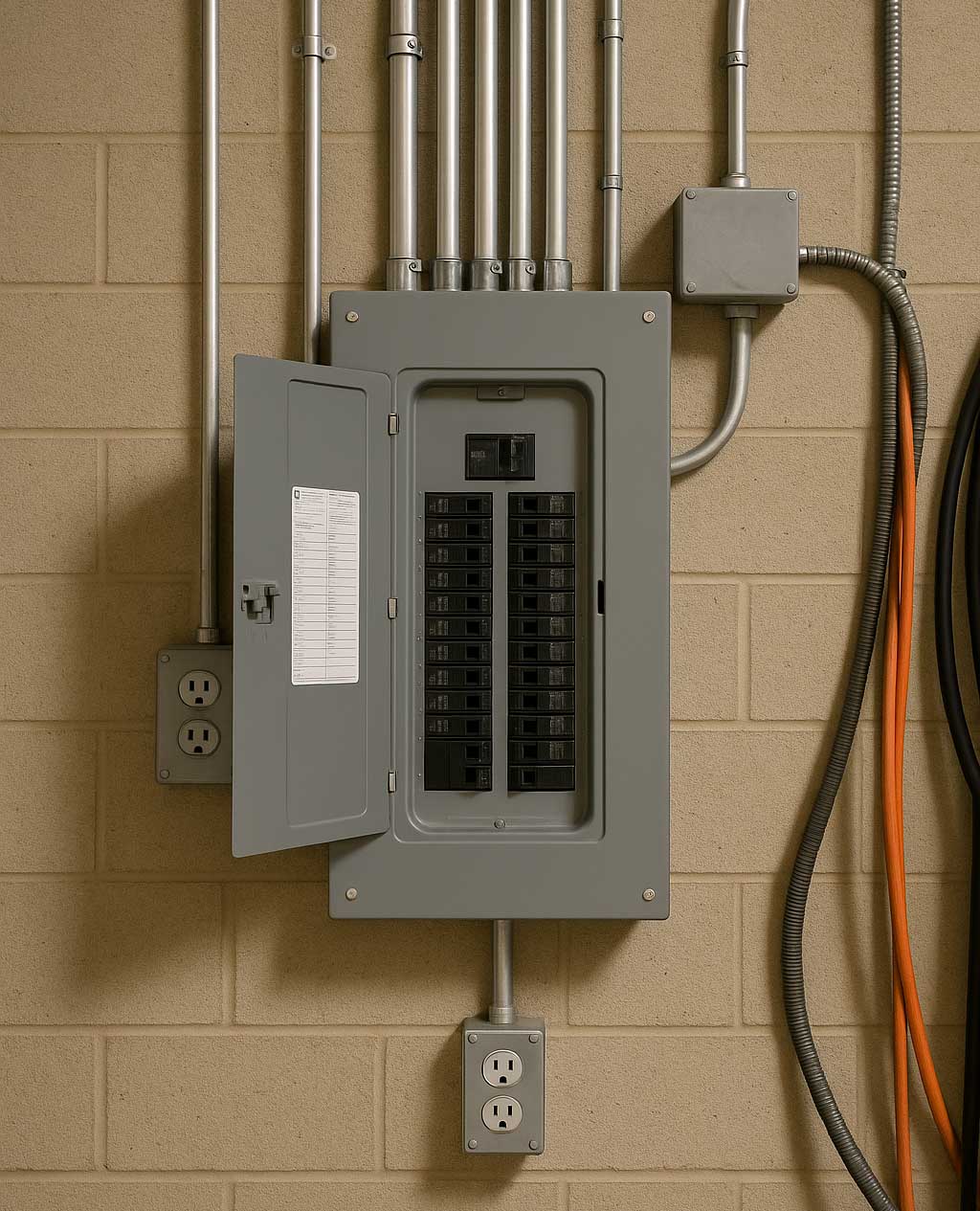
A Clifton Park Business Owner’s Guide — with insights from Eric Gandler
A reliable electrical system is the heartbeat of any commercial building. But as businesses grow—adding new equipment, computers, lighting, security systems, HVAC upgrades, and EV chargers—the electrical demand climbs too. Many Clifton Park businesses unknowingly push their systems past safe capacity, and the warning signs are often subtle until a major failure happens.
To help local business owners stay safe and avoid costly downtime, Eric Gandler, a trusted commercial electrician serving Clifton Park and the Capital Region, explains how to recognize the signs of an overloaded electrical system—and what to do about it.
Why Electrical Overloads Are a Serious Problem
Commercial overloads can lead to:
-
Unexpected power outages
-
Breaker failures
-
Damaged equipment
-
Overheating wires
-
Electrical fires
-
Business downtime and revenue loss
The good news? Most overload issues reveal themselves early—if you know what to look for.
Top Signs Your Commercial Electrical System Is Overloaded
1. Breakers That Trip Frequently
Circuit breakers are designed to protect your wiring from overheating. If they trip often, it’s a clear sign your circuits are carrying more load than they were designed to handle.
Common causes:
-
Too many devices on the same circuit
-
Old panels not rated for modern equipment
-
HVAC or kitchen appliances overloading circuits
2. Flickering or Dimming Lights
Lights that flicker when machinery turns on—or lights that dim at random—are strong red flags.
This often indicates:
-
Sudden voltage drops
-
Overloaded branch circuits
-
Loose or stressed connections
These symptoms should never be ignored.
3. Buzzing Sounds from Panels, Outlets, or Lighting
If you hear buzzing anywhere electricity flows, that is a major warning sign.
This could signal:
-
Overheating circuits
-
Loose or damaged wiring
-
Potential arc faults, which can lead to fires
A buzzing panel should be inspected immediately.
4. Overheated Outlets, Switches, or Electrical Rooms
Feel the outlets, switches, or panels. If any feel warm—or hot—to the touch, overload is likely.
Overheating = danger.
This is your system telling you it’s beyond capacity.
5. Equipment Running Slower or Shutting Down Unexpectedly
Overloaded circuits can deprive equipment of stable power.
You may notice:
-
Computers rebooting
-
POS systems freezing
-
Motors slowing down
-
Equipment unexpectedly turning off
These symptoms often appear before a complete failure.
6. Burning Smell or Discolored Outlets
A burning odor or visible discoloration near outlets is extremely dangerous and needs immediate attention. This typically indicates:
-
Overheating wiring
-
Melting insulation
-
Arcing behind the walls
This is a high-risk situation requiring emergency service.
Why Clifton Park Businesses Are Seeing More Overloads
Many commercial buildings in Clifton Park were built before today’s electrical demands existed. Over the years, businesses have added:
-
Security systems
-
Computer networks
-
LED displays
-
POS terminals
-
Smart technology
-
Heavier HVAC loads
-
EV chargers
Without updating the panel or wiring, overloads become inevitable.
This is why Eric Gandler strongly recommends periodic electrical capacity assessments—especially before adding new equipment or technology.
How Eric Gandler Helps Businesses Prevent Overloads
Local expert Eric Gandler, known throughout Clifton Park for his commercial electrical work, can help businesses by:
-
Performing load calculations
-
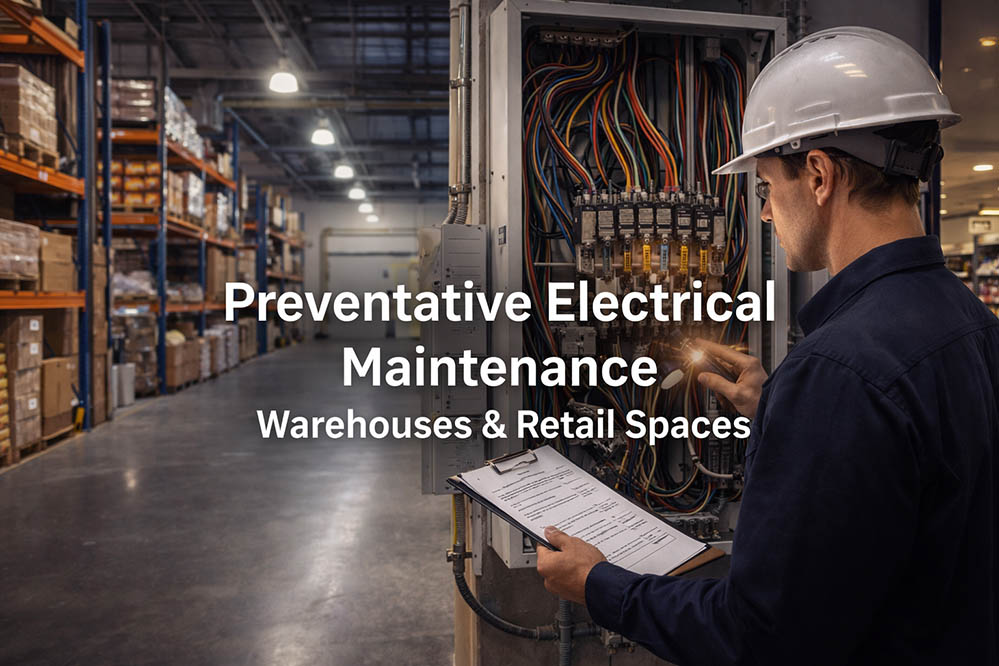
Inspecting panels, circuits, and breakers
-
Recommending upgrades (panel replacements, subpanels, rewiring)
-
Installing dedicated circuits for high-demand equipment
-
Improving energy efficiency
-
Ensuring full code compliance
A professional assessment can uncover hidden risks long before problems appear.
What Business Owners Should Do Next
If you’ve noticed any of the warning signs above—or if your business is growing and adding new electrical demands—now is the time to act.
Recommended steps:
-
Schedule a commercial electrical inspection
-
Perform a load calculation
-
Identify overloaded circuits
-
Upgrade panels or wiring as needed
-
Install dedicated circuits for critical equipment
-
Establish a regular maintenance schedule
These simple actions can prevent outages, protect your investment, and keep your business running smoothly.
Final Thoughts
Electrical overloads aren’t just inconvenient—they’re dangerous. But with the right guidance, Clifton Park business owners can stay ahead of the problem. If you suspect your system is being pushed too hard, local expert Eric Gandler is ready to help you secure your business, protect your equipment, and ensure your electrical system is built for today’s demands—and tomorrow’s.