By Eric Gandler Development Electric – Serving Clifton Park and the Capital Region
Most business owners rarely think about their building’s electrical grounding system. Unlike lights, outlets, electrical panels, or machinery, grounding isn’t something employees interact with during the normal workday.
But it is a critical part of a commercial electrical system.
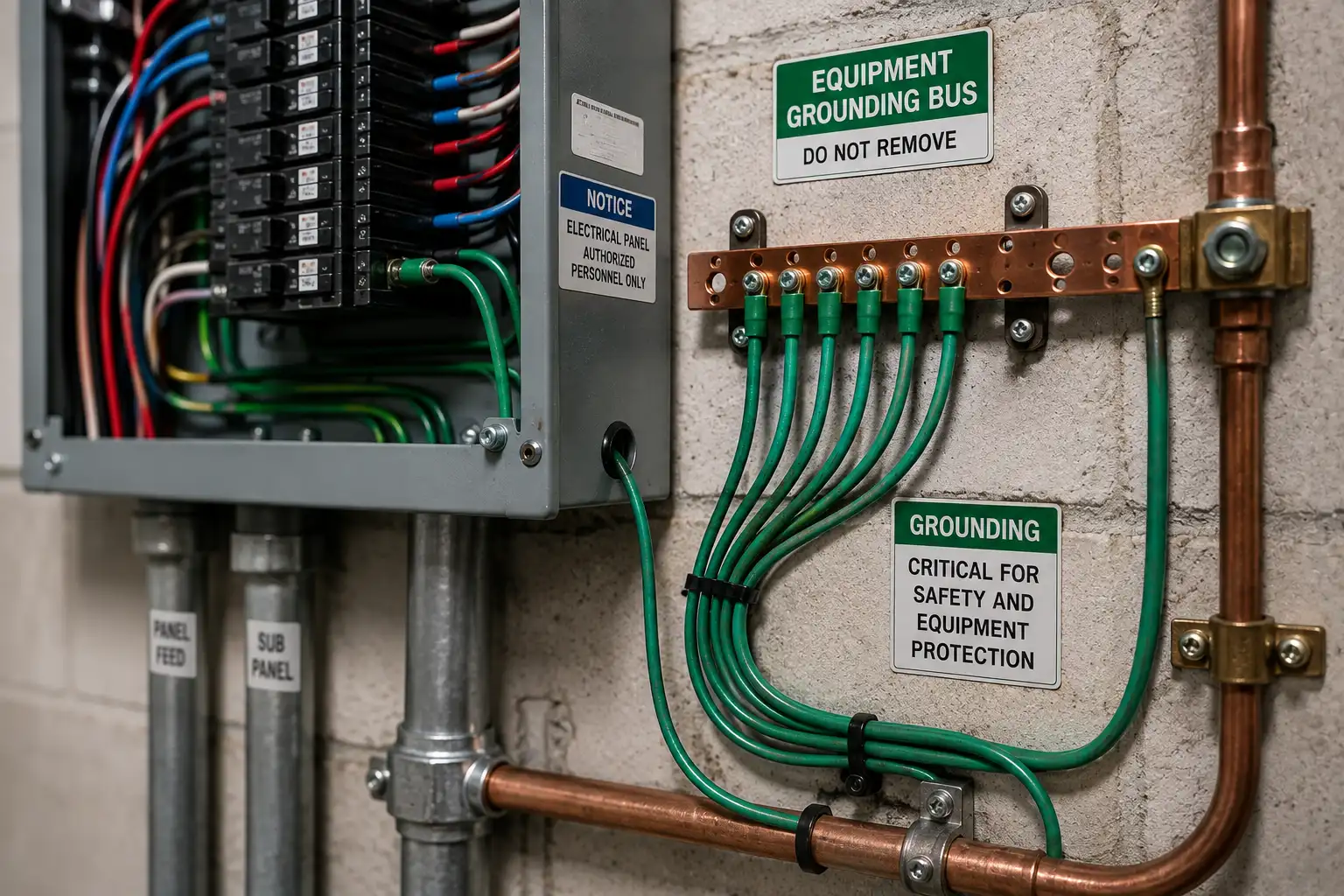
Proper grounding helps electrical systems operate safely, provides a path for fault current, and works with protective devices designed to respond when electrical problems occur.
For commercial property owners and businesses in Clifton Park, understanding the importance of grounding can help prevent electrical problems and protect valuable equipment.
Eric Gandler Development Electric provides commercial electrical inspections, troubleshooting, upgrades, and electrical system improvements throughout Clifton Park and the Capital Region.
What Is Electrical Grounding?
In simple terms, grounding is part of the electrical system designed to help safely manage electrical faults and unwanted electrical current.
Commercial electrical systems incorporate grounding and bonding methods intended to help provide an effective fault-current path and support the proper operation of protective devices.
A properly designed system can help reduce the risk associated with electrical faults while contributing to the safe operation of equipment throughout a building.
Grounding and Bonding Aren’t Exactly the Same Thing
The terms grounding and bonding are often used interchangeably, but they perform related rather than identical functions.
Grounding connects parts of an electrical system to ground according to the system’s design.
Bonding connects conductive components together to help establish electrical continuity and an effective path for fault current.
Both are important parts of a properly installed commercial electrical system.
Why Grounding Matters for Commercial Properties
Commercial buildings often contain far more electrical equipment than a typical home.
Depending on the business, that may include:
- Computers and servers
- HVAC equipment
- Commercial refrigeration
- Manufacturing machinery
- Security systems
- Fire alarm equipment
- Building automation systems
- Point-of-sale equipment
- Communications equipment
Problems with grounding or bonding can affect safety and may contribute to equipment or operational issues.
Proper Grounding Supports Electrical Safety
One of the primary purposes of grounding and bonding is safety.
If an electrical fault energizes conductive equipment that isn’t supposed to carry current, an effective fault-current path helps protective equipment respond appropriately.
Without proper grounding and bonding, electrical faults can create dangerous conditions.
This is one reason grounding shouldn’t be treated as an optional detail during electrical installations, renovations, or equipment upgrades.
Grounding Can Be Important for Sensitive Electronics
Modern businesses depend heavily on electronic equipment.
Computers, networking hardware, control systems, automation equipment, and other electronics can be sensitive to electrical disturbances.
While grounding isn’t a solution for every power-quality issue, the integrity of the building’s electrical system—including grounding and bonding—is an important consideration when diagnosing recurring electrical or equipment problems.
If your business experiences unexplained equipment behavior, premature electronic failures, or recurring electrical problems, the overall electrical system may deserve professional evaluation.
Older Buildings May Need Additional Attention
Older commercial buildings in and around Clifton Park may have electrical systems that have been modified many times.
Over decades, a property may have experienced:
- Building additions
- Tenant renovations
- Panel replacements
- Equipment upgrades
- New circuits
- Changes in building use
Each modification creates another opportunity for electrical systems to become inconsistent with current needs or requirements.
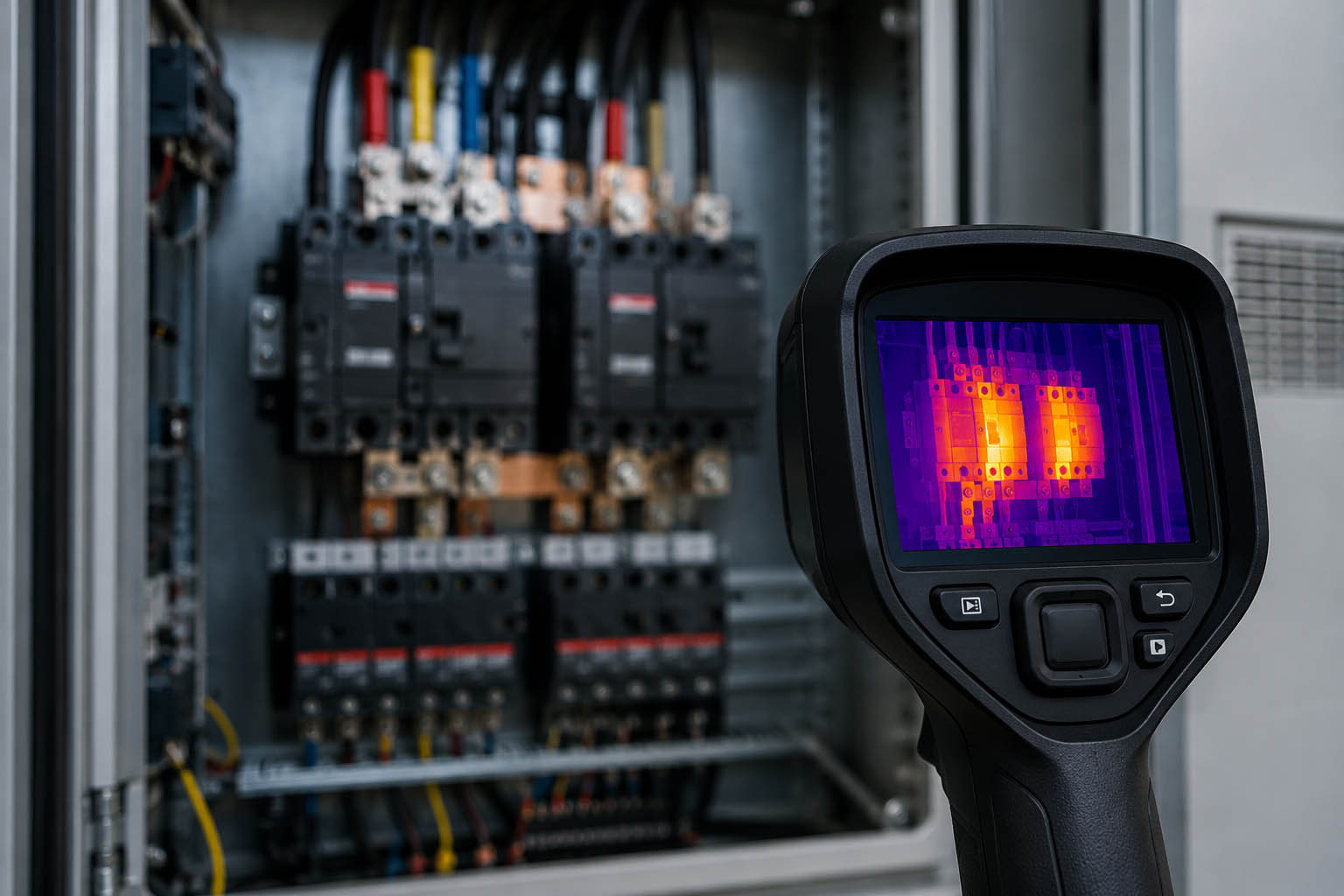
An electrical inspection can help determine whether grounding and bonding remain appropriate throughout the facility.
Renovations Can Change the Electrical Picture
Commercial renovations often involve much more than moving walls and installing new finishes.
New equipment, lighting, HVAC systems, machinery, and technology may change how electricity is distributed throughout the property.
Grounding and bonding should be considered as part of these projects rather than addressed only after a problem occurs.
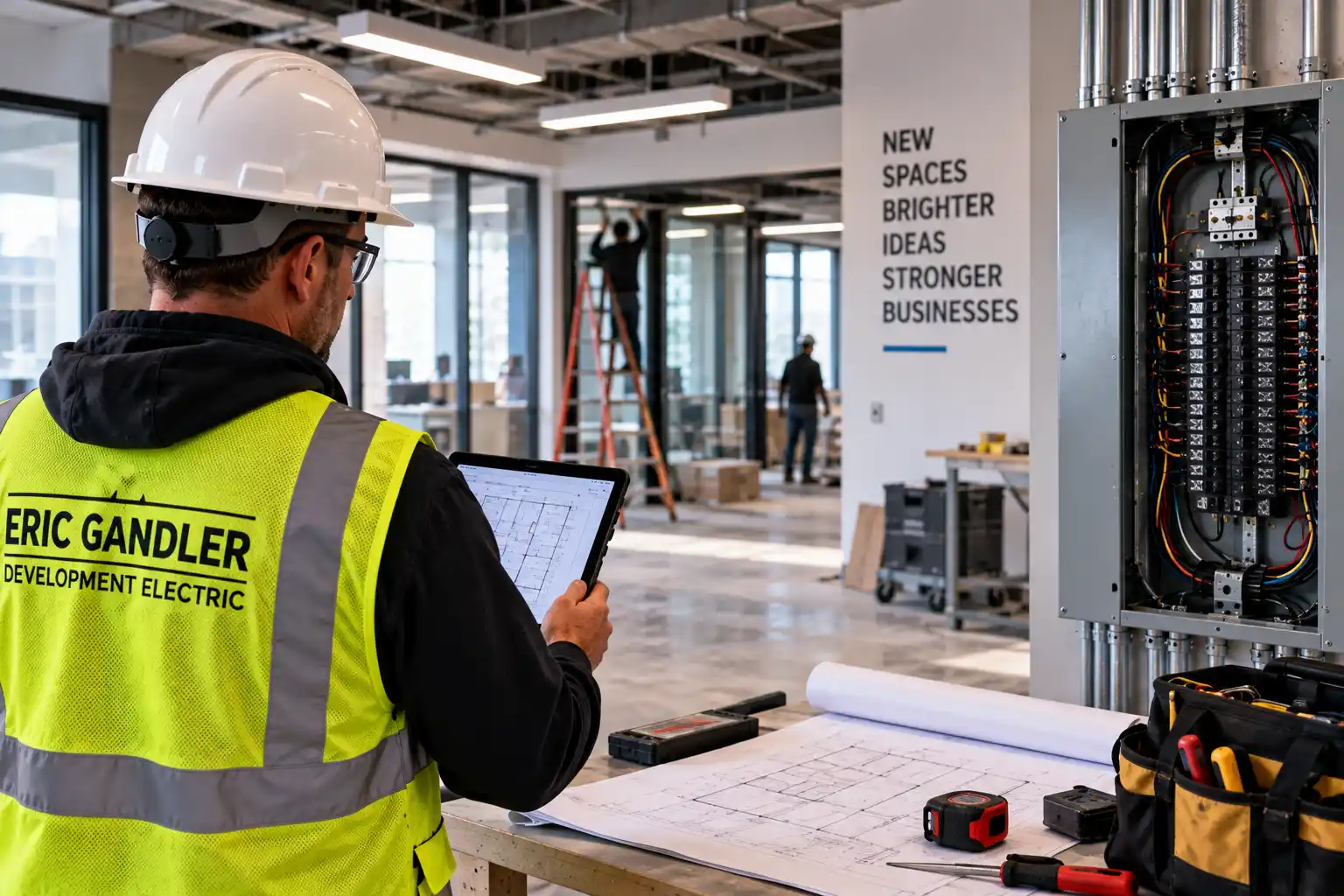
Working with an experienced commercial or industrial electrician during the planning stage can help identify electrical requirements before construction begins.
What Are Signs of a Potential Grounding Problem?
Grounding problems aren’t always obvious, and suspected issues should be evaluated by a qualified electrician.
Potential reasons to investigate the electrical system may include:
- Recurring equipment problems
- Unexpected electrical shocks or tingling sensations from equipment
- Unexplained breaker trips
- Electrical noise affecting sensitive equipment
- Problems discovered during an inspection
- Recent renovations performed without a complete electrical evaluation
These symptoms can have many causes, so professional diagnosis is important.
Grounding Should Be Part of Preventative Maintenance
Grounding and bonding are another reason commercial electrical maintenance shouldn’t focus exclusively on obvious equipment such as breakers and light fixtures.
A comprehensive electrical maintenance strategy can include evaluation of the electrical distribution system and the connections that help it operate safely.
Preventative maintenance is particularly important for facilities with:
- Heavy electrical loads
- Sensitive electronics
- Industrial machinery
- Older electrical infrastructure
- Multiple renovations or additions
- Critical business operations
The goal is to identify potential weaknesses before they become larger problems.
Don’t Assume a System Is Correct Because Everything Works
One of the challenges with electrical systems is that a building can appear to operate normally even when a problem exists.
Lights may turn on. Equipment may run. Breakers may remain closed.
That doesn’t necessarily mean every part of the electrical installation is in ideal condition.
Electrical safety depends on systems being prepared to respond correctly when abnormal conditions occur—not simply functioning during normal operation.
Commercial Electrical Inspections in Clifton Park
Grounding may be largely invisible to employees and customers, but it plays an important role in the overall safety and performance of a commercial electrical system.
If your property has older electrical infrastructure, has undergone significant renovations, is adding new equipment, or is experiencing unexplained electrical problems, a professional electrical evaluation can help identify areas that need attention.
Eric Gandler Clifton Park Development Electric provides commercial electrical inspections, troubleshooting, preventative maintenance, electrical upgrades, and system improvements throughout Clifton Park and the Capital Region.
Whether you’re maintaining an existing facility or planning improvements, Eric Gandler can help ensure your commercial electrical infrastructure is prepared to safely support your business today and in the future.